Molecular Gastronomy: The Art You Can Eat
What happens when science sneaks into the kitchen?

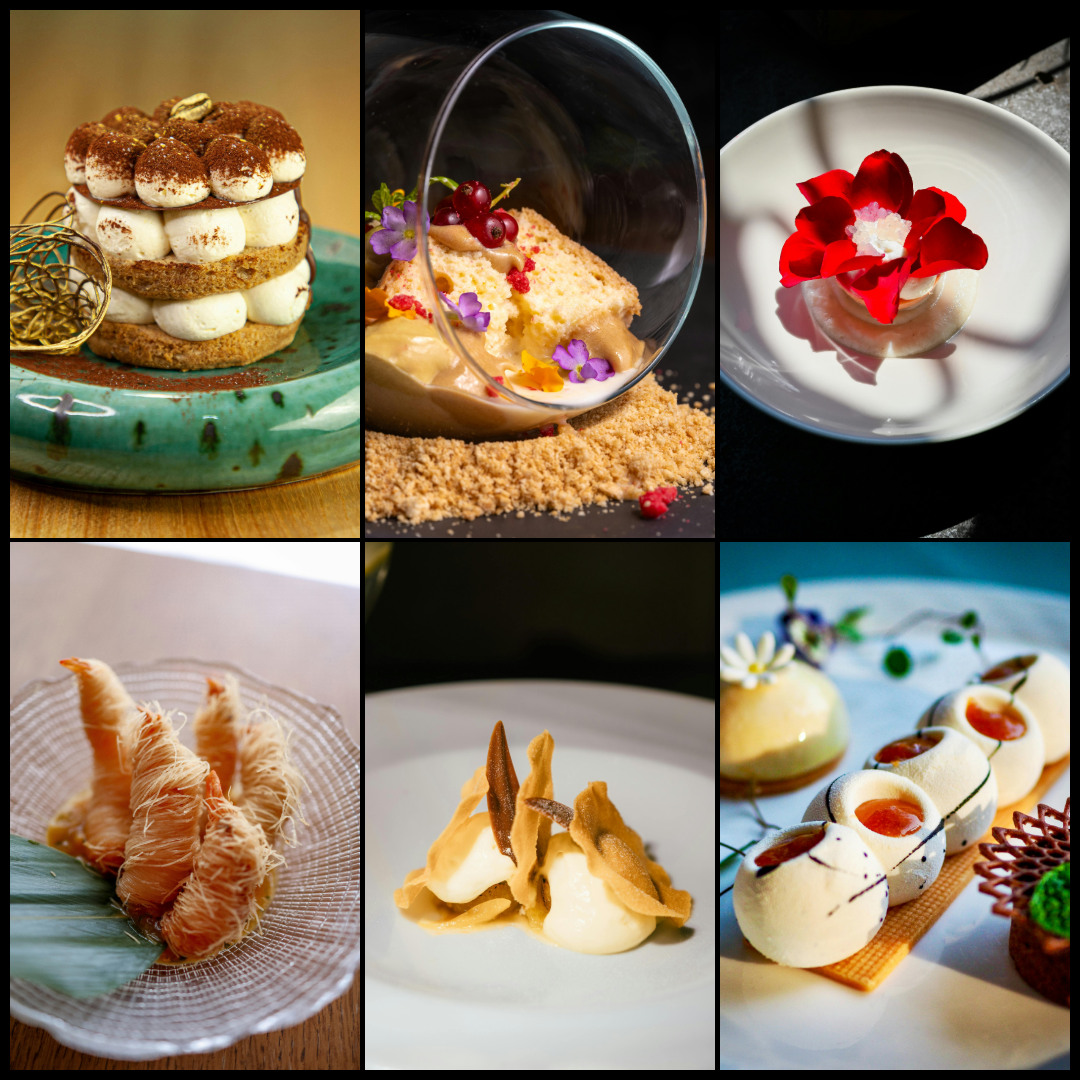
You get molecular gastronomy, a wonderfully strange mix of cooking, chemistry, and imagination. It is food with a little bit of magic show energy: foams that float like clouds, fruit juice that turns into tiny pearls, chocolate that shines like glass, and desserts that look like they came from another planet.
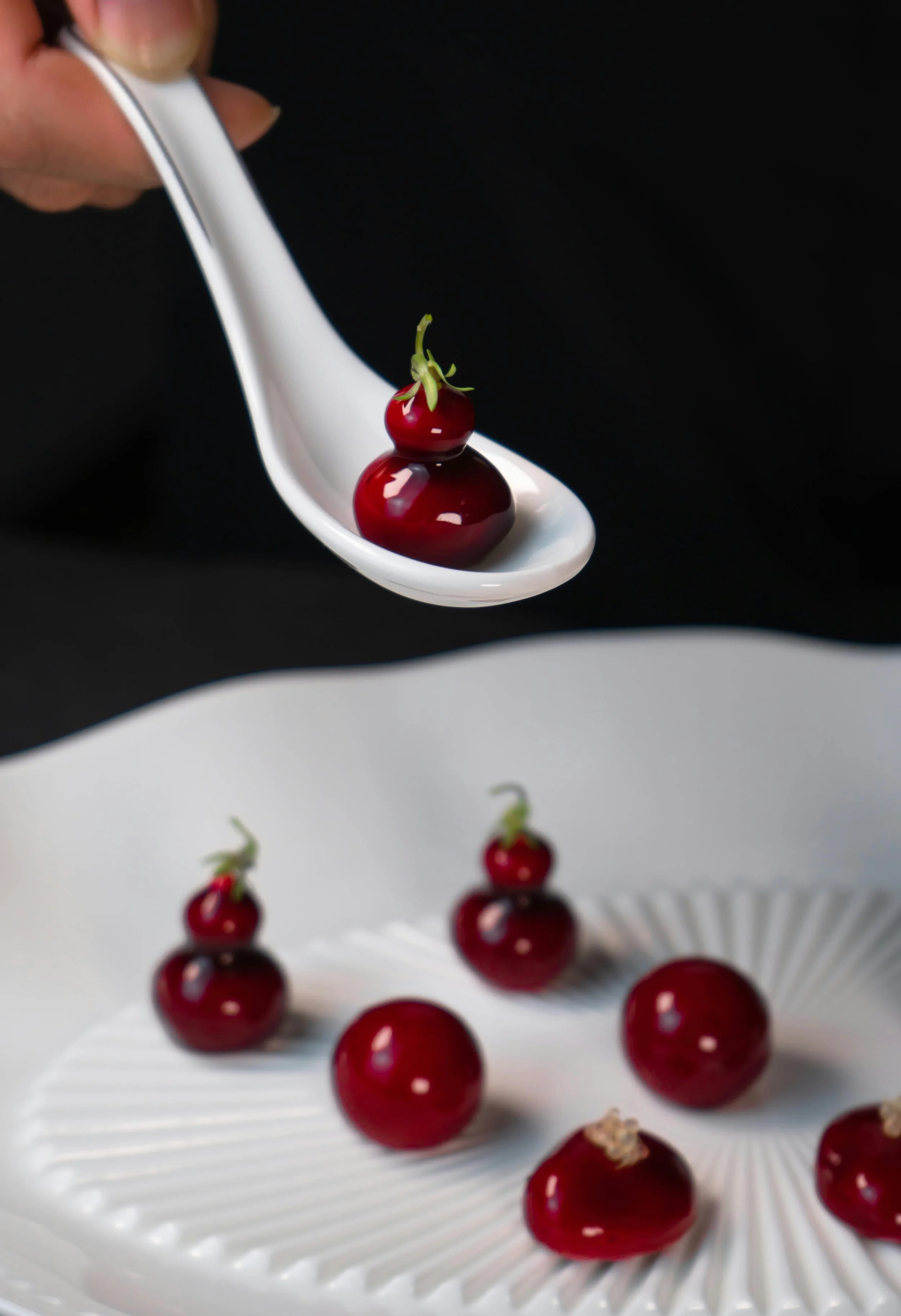
These cherries are anything but boring!
Molecular Gastronomy let’s you turn boring old foods into all kinds of incredible shapes and textures!
Chefs, chocolatiers, bakers, and even adventurous home cooks use molecular gastronomy to play with texture, temperature, shape, and surprise. A familiar food can become something completely unexpected. A sauce can become bubbles. A liquid can become jelly. A scoop of ice cream can smoke and swirl like a wizard’s potion.
That might sound a little scary at first. After all, nobody hears the word “chemistry” and immediately thinks, “Yum, pass me a spoon.” But most of the ingredients used in molecular gastronomy come from natural sources like plants, seaweed, milk, fruit, and helpful microbes. The science may sound fancy, but many of the techniques are simply clever ways to change how food looks and feels.
And the best part? You do not need to be a world-famous chef to try it.
Video Title: Molecular gastronomy at home — how to make fruit juice spaghetti
Video Credit: MEL Science, https://melscience.com/, 2017
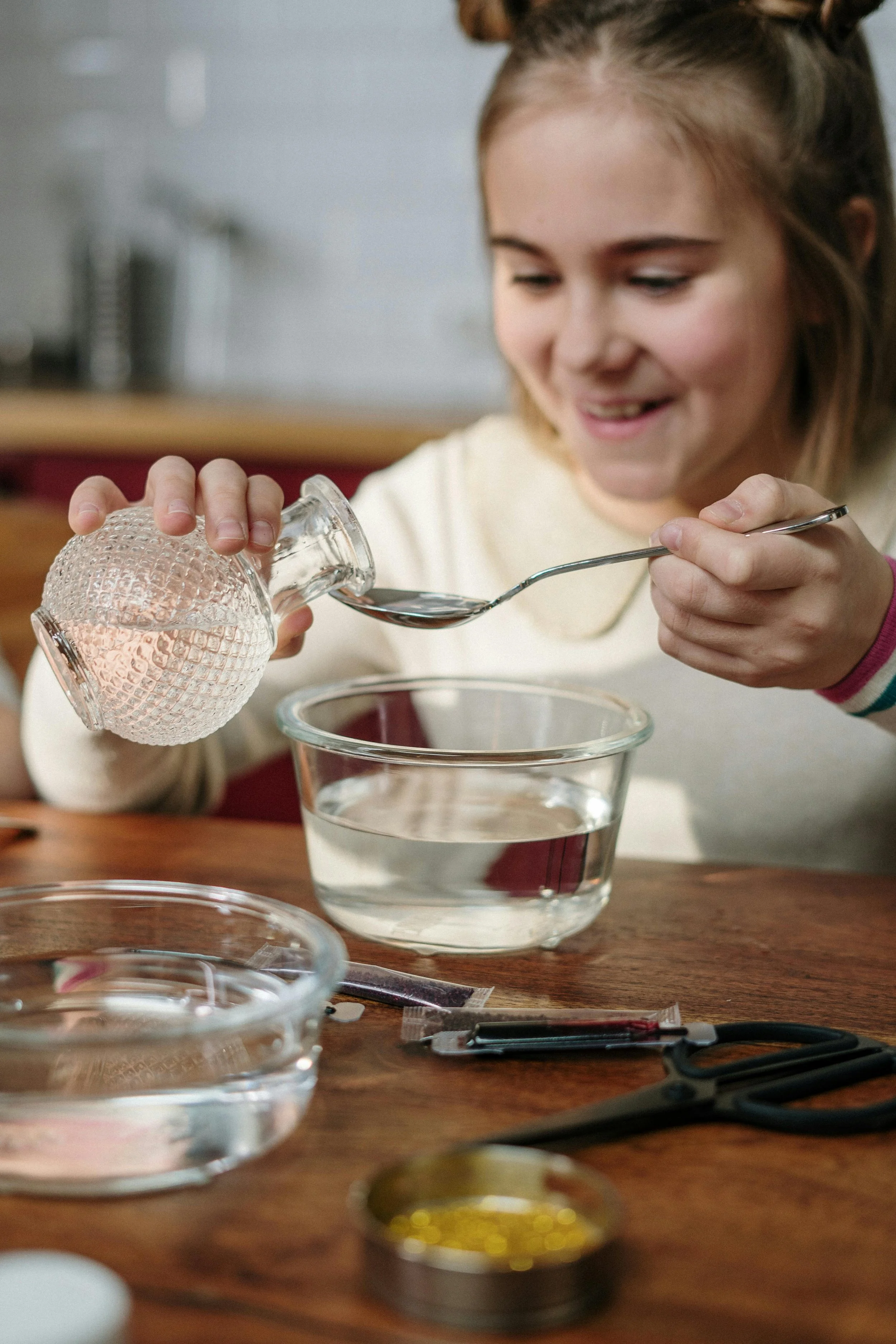
There are plenty of beginner-friendly recipes online for curious cooks who want to experiment safely at home. With the right ingredients, a little patience, and an adult nearby, your kitchen can become a mini food laboratory. You might make juice “caviar,” fizzy fruit, edible bubbles, or colorful gels that wiggle on the plate.
For kids, molecular gastronomy is a delicious reminder that science is not just something that happens in textbooks. It can happen in a mixing bowl. It can happen on a spoon. It can happen right before dessert.
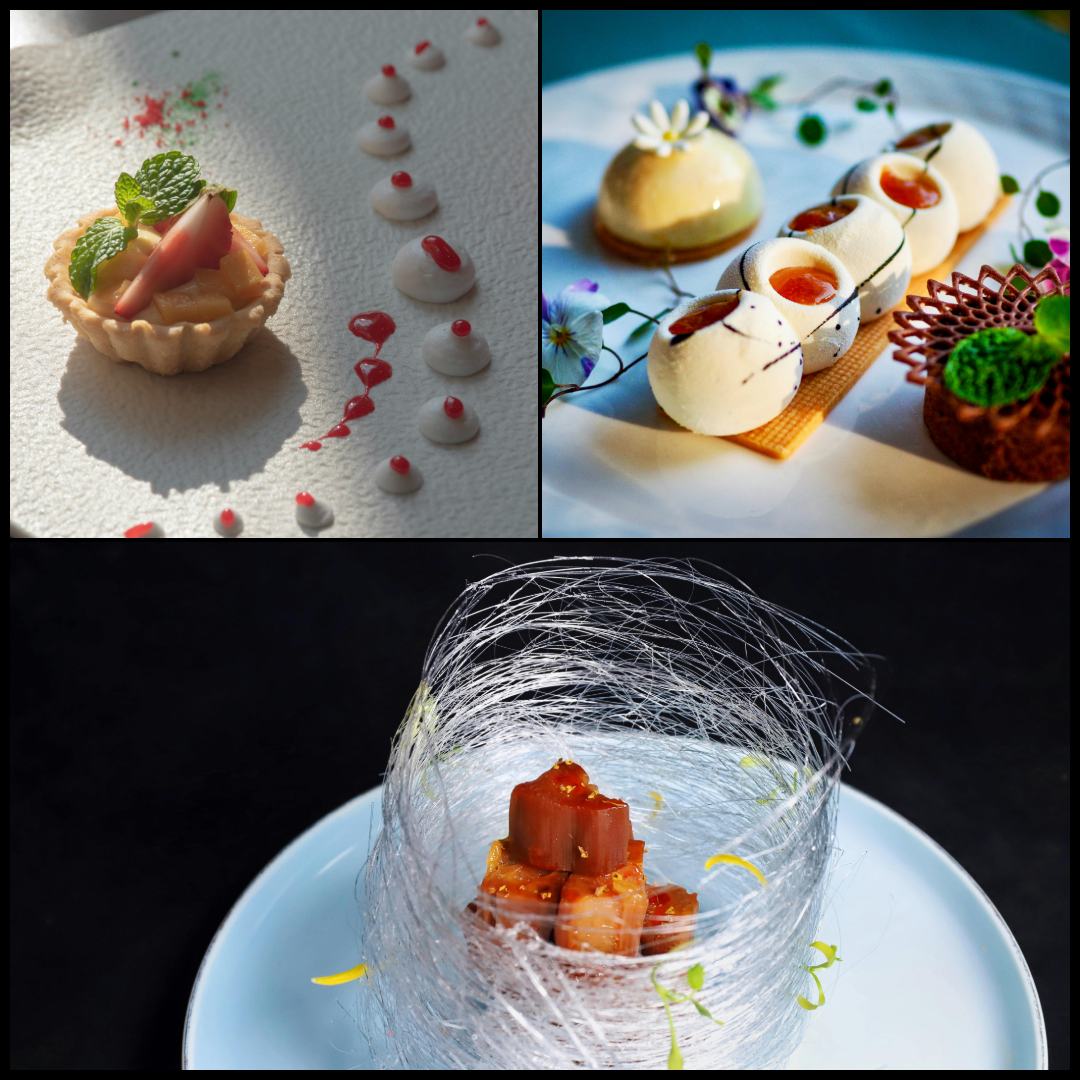
So the next time dinner feels a little ordinary, imagine what might happen if you added a pinch of science and a splash of creativity. Molecular gastronomy turns food into an experiment, a surprise, and sometimes even a tiny edible masterpiece.
From the weird to the wonderful, it proves one tasty point:
Science can be delicious.
