Making a Movie for Your Ears: Bringing Moby Dick to Audiobook
Honoring Melville’s Legacy
Turning Moby Dick: A Brambletale Press Adaptation into an audiobook taught me something I did not fully understand at the beginning:
A good audiobook is not just someone reading a book out loud, it is a performance, a production, and a careful translation of the story into a brand new form.
When I first adapted Moby Dick for young readers, the goal was to make Melville’s whale of a tale feel exciting, accessible, and a little less intimidating for children. The book already had the bones of an epic adventure: a mysterious whale, a determined captain, a rolling sea, and one of the most famous opening lines in literature.
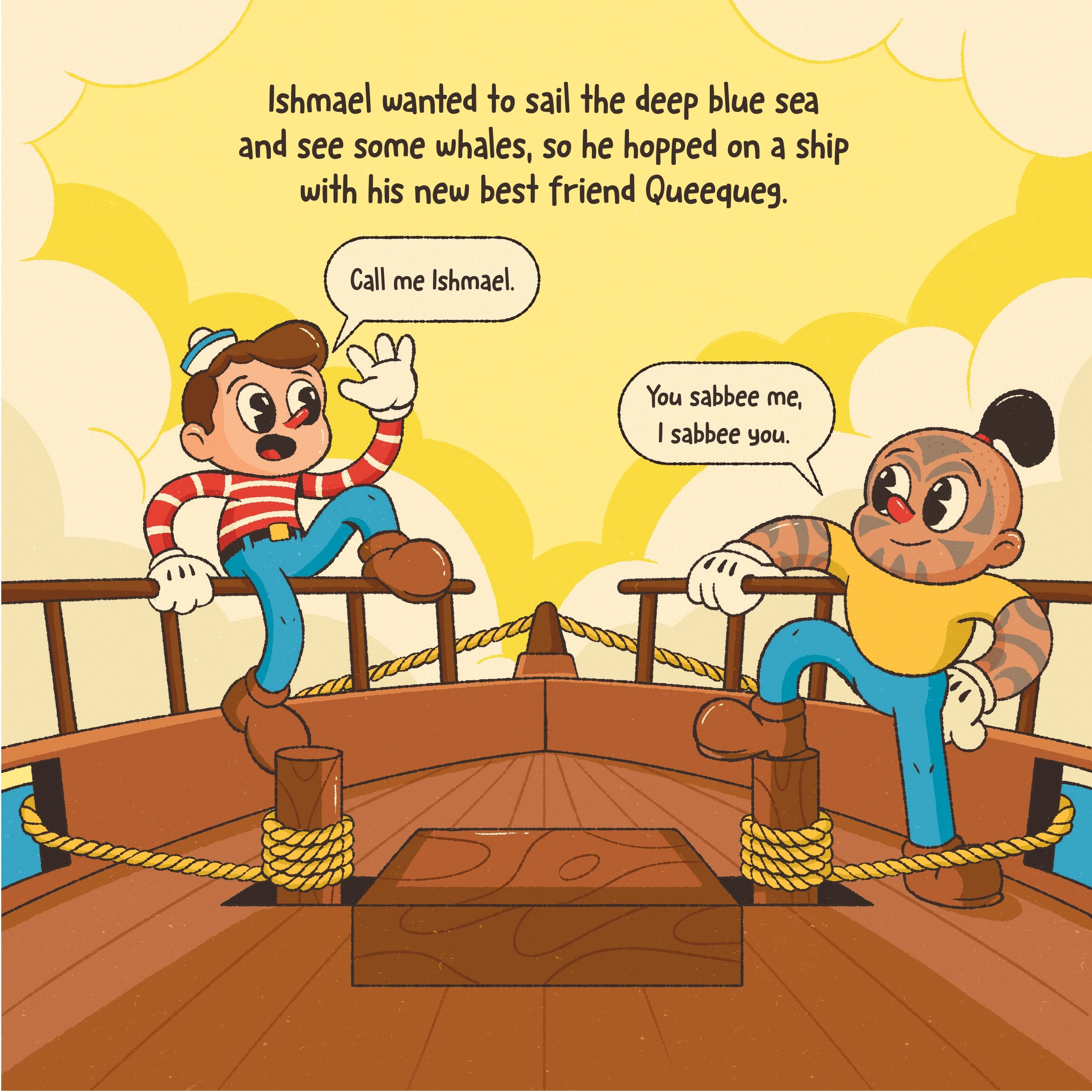
I wanted to find a way to incorporate some of Melville’s original dialog in a way that felt more approachable.
There are several parts of my adaptation where I was able to make this happen.
But audio adds another layer.
Suddenly, the rhythm of the sentences mattered in a new way. The pacing had to work for listening ears. The dramatic moments needed weight, but not too much. The narration had to feel lively enough for kids while still respecting the mood of a classic story.
That balance is harder to find than it sounds.
Finding the Right Voice
The process began with a casting call. I opened auditions through ACX, looking for a narrator who could bring warmth, clarity, and just the right amount of theatrical energy to the project.
Listening through auditions was exciting, but also a little strange. There are many talented narrators out there, and plenty of them can deliver a clean, professional read. But finding the right voice is different from finding a good voice.
For this story, I needed someone who could make the sea feel wide, Captain Ahab feel intense, and the whole adventure feel inviting for a young audience.
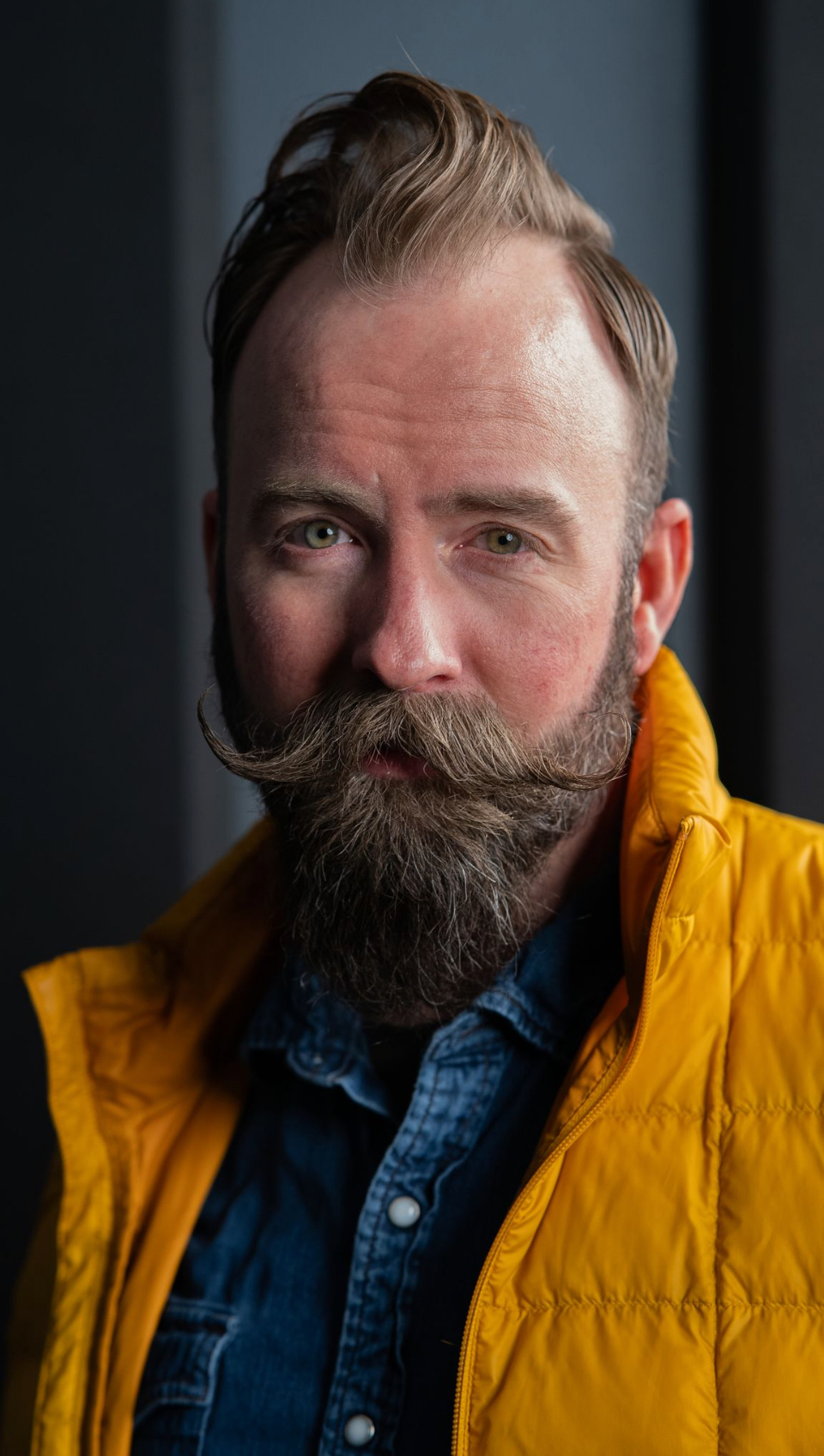
I wanted to work with someone who genuinely cared about the project as much as I did.
That is where Brandon Miller stood out.
His audition clicked almost immediately. It had energy without feeling overdone. It had control without feeling stiff. Most importantly, it captured the tone I was hoping for: adventurous, clear, and kid-friendly, with enough dramatic weight to honor the original story.
From Narration to Full Production
Once Brandon came aboard, the project moved from idea to actual production.
He handled both the narration and the audio production, which made a huge difference. Audiobook production is full of details that most listeners never think about: pacing, breath control, volume consistency, edits, mastering, file requirements, and making sure the final product sounds smooth from beginning to end.
That behind-the-scenes work is so important.
A children’s audiobook needs to feel effortless. If the audio feels clunky, uneven, or distracting, young listeners drift away fast. The finished recording needed to feel polished enough for Audible while still keeping the heart of the story intact.
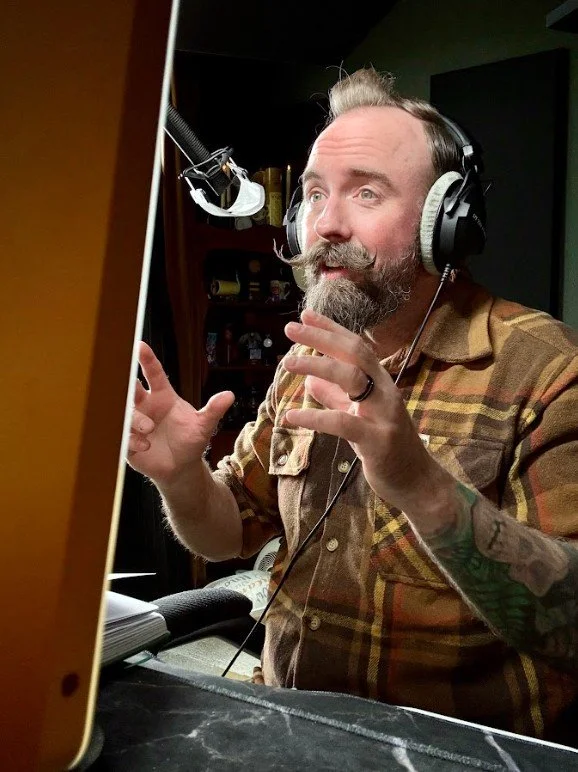
Brandon brought that level of care to the project, and the final result felt bigger and more complete than what I had originally imagined.
You can almost taste the salt on the air, almost feel the roll of the ship as it cuts through the wind and waves.
One of my favorite behind-the-scenes details from the production came from Brandon’s search for the perfect sound of Captain Ahab’s wooden peg leg.
When he couldn’t find the right effect, he improvised.
Using an old wooden stool with a loose leg, he brought it into the studio, positioned the microphone close, and tapped the leg against the stool seat to recreate Ahab’s unmistakable walk. It’s a small detail, but it says a lot about the care that went into this audiobook.
Even a single footstep had to feel like it belonged aboard the Pequod.
The ACX Adventure
Before we even started on the recording, I had to get the word out about the project and start building some momentum before the big day.
Using tools like Photoshop and Canva I was able to create several pieces of promotional material to share across the socials, you may remember this one!
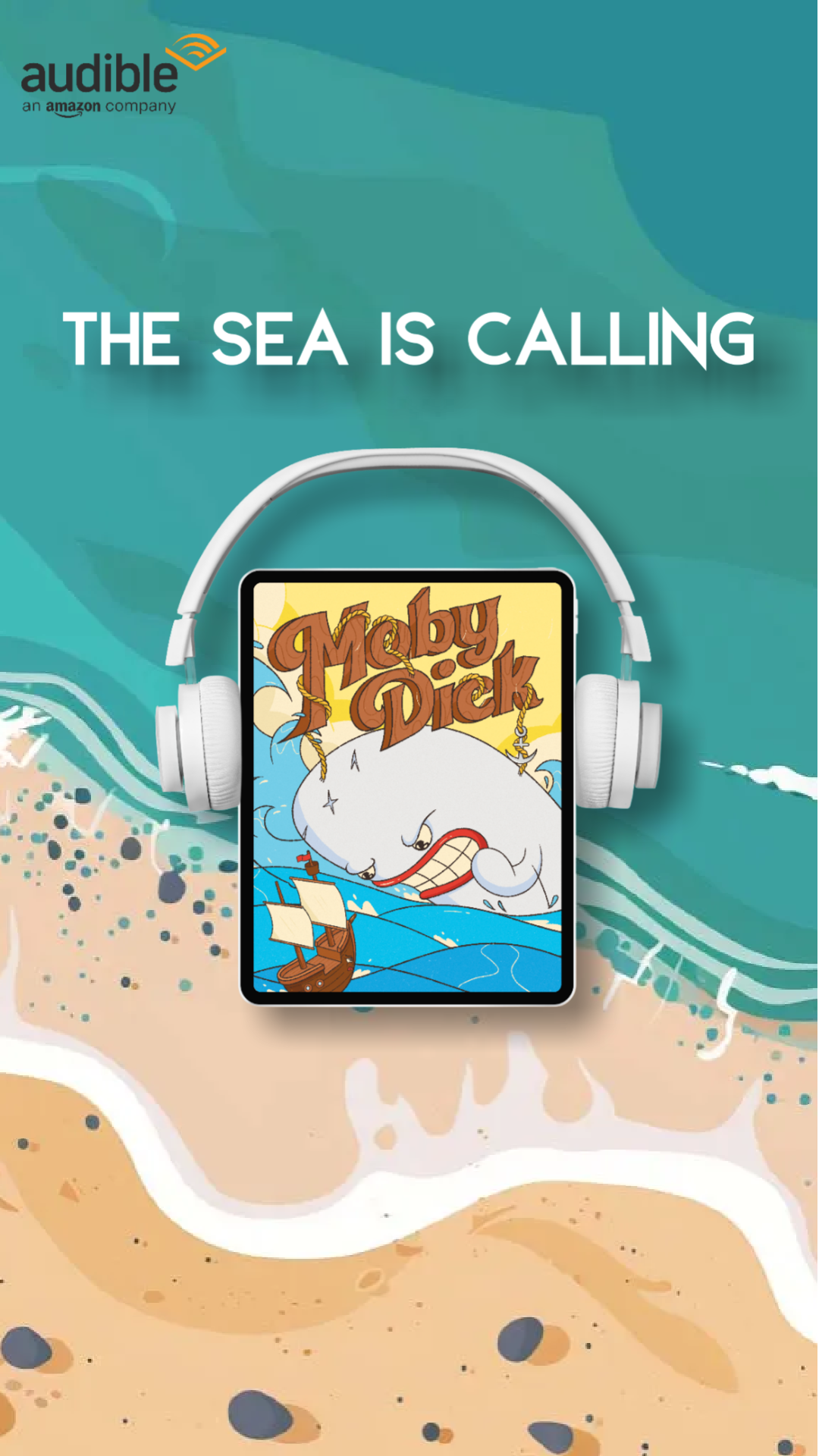
Art and design have always been a passion of mine.
It was a lot of fun creating these!
Getting started on ACX was actually pretty straightforward, there are a lot of great options to find voice talent, run auditions and set up your production contracts.
I had a lot of fun finding the right audio assets to incorporate into the audiobook. I knew I wanted to include some of my favorite “sea shanty” style songs, including “Wellerman,” a 19th-century New Zealand folk song about a whaling ship, and “Rocky Road to Dublin,” a 19th-century Irish song written by Irish poet D.K. Gavan.
After I sent Brandon the files for the sound effects and music, he worked some audio production wizardry, and together, we hit the ground running.
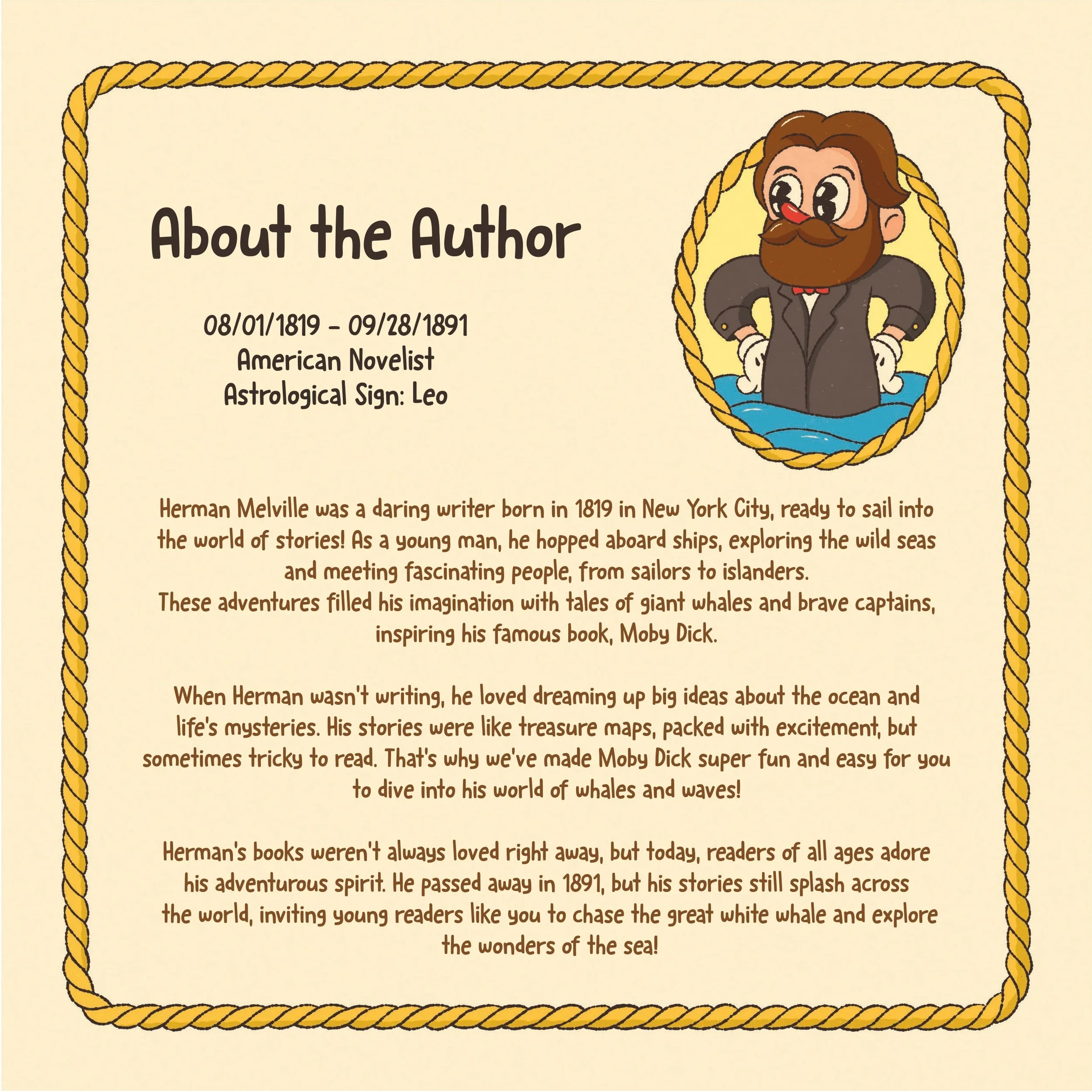
We wanted to make the audiobook just as magical as the physical copy, so Brandon narrated some of the bonus features, such as the Melville author bio and the whale facts.
I then included a printable PDF file full of fun and educational activities to accompany the book, perfect for any home or classroom learning!
After the recording and post-production were finished, the next step was getting everything submitted through ACX for distribution on Audible.
That part is less glamorous than voice acting, but still important. Audiobooks have to meet specific technical and formatting requirements before they can go live. Once the files were uploaded, checked, and approved, the project finally crossed the finish line.
Seeing the story move from manuscript, to illustrated children’s book, to fully produced audiobook was incredibly rewarding.
It also reminded me that books do not have to live in only one format. A story can become something new when it is read aloud. For children, especially, audio can make a classic tale feel less like an assignment and more like an adventure.
Lessons Learned
One of the biggest lessons I took from this project is that collaboration can change the shape of a story.
A good partner understands the vision. A great one helps reveal what the project was trying to become all along.
Bringing Moby Dick to audio gave the story a new shape, a new energy, and a new way to reach young readers and listeners.
For a tale that has spent more than 170 years sailing through literary history, that feels pretty fitting.
The audiobook edition of Moby Dick: A Brambletale Press Adaptation is now available on Audible for families, classrooms, car rides, bedtime listening, and any young adventurer curious enough to follow a whale across the sea.
Be sure to follow Brandon Miller on Instagram: @brandonmillervo and check out his official website to see more of his amazing work.
All original illustrations for our adaptation of Moby Dick were created by hand in Portland, Oregon by CatCow Studio.
