The Polish Writer Who Reforged Folklore
Andrzej Sapkowski was born in Łódź, Poland, on June 21, 1948. Before becoming one of Europe’s most influential fantasy writers, he studied economics and worked in foreign trade from 1972 to 1994.
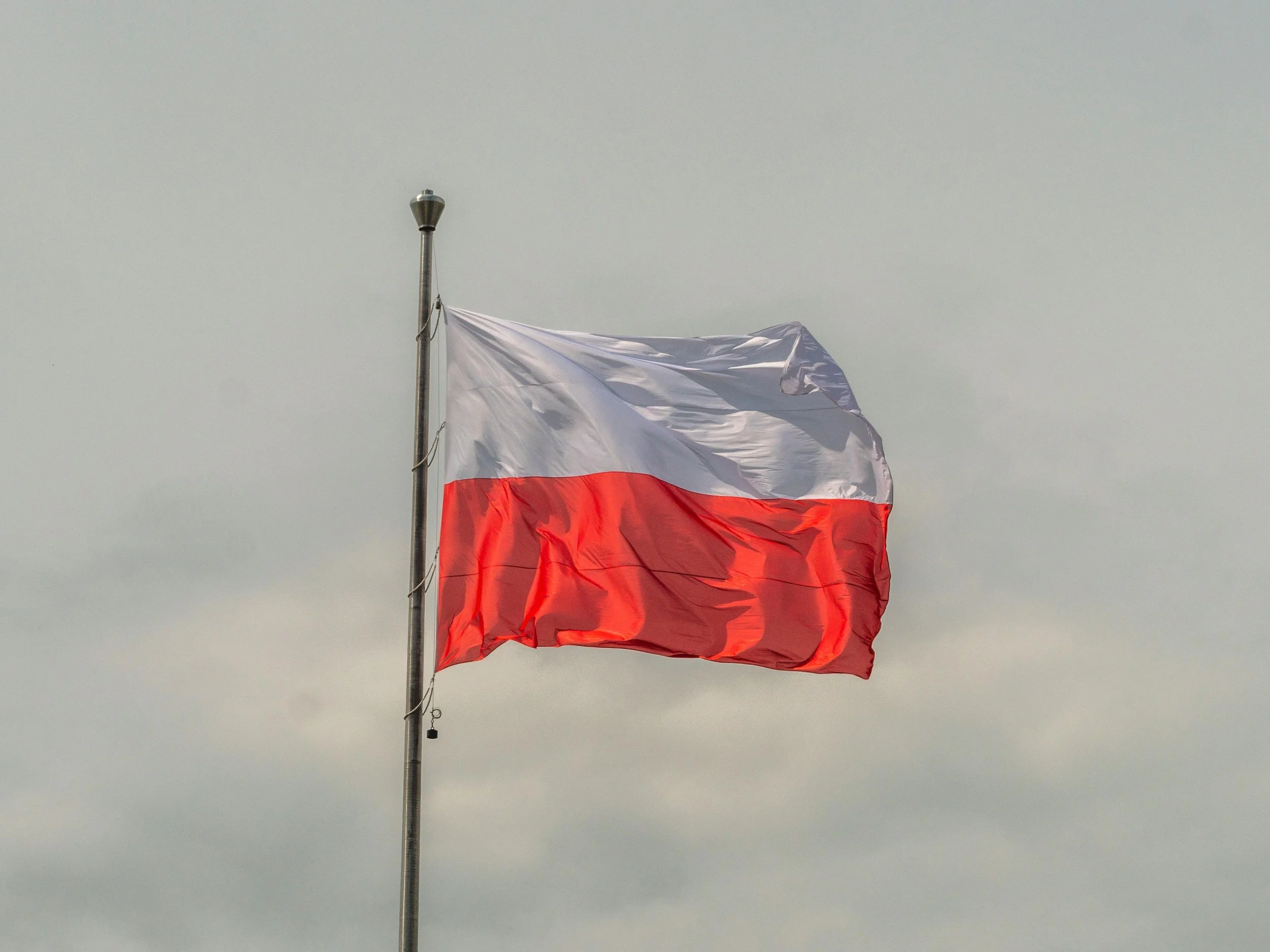
Sapkowski stands as one of Poland’s greatest literary exports, carrying the country’s folklore, wit, and dark imagination onto the world stage.
That practical background makes his literary career feel even more unexpected. Sapkowski did not begin as a lifelong publishing insider. He began as a sharp observer of people, politics, folklore, history, and human nature, then poured all of that into fiction.
His breakthrough came in 1986 with the short story “Wiedźmin,” often translated as “The Witcher” or “The Hexer.” Sapkowski submitted the story to a contest held by Fantastyka, a Polish speculative fiction magazine, where it won third prize.
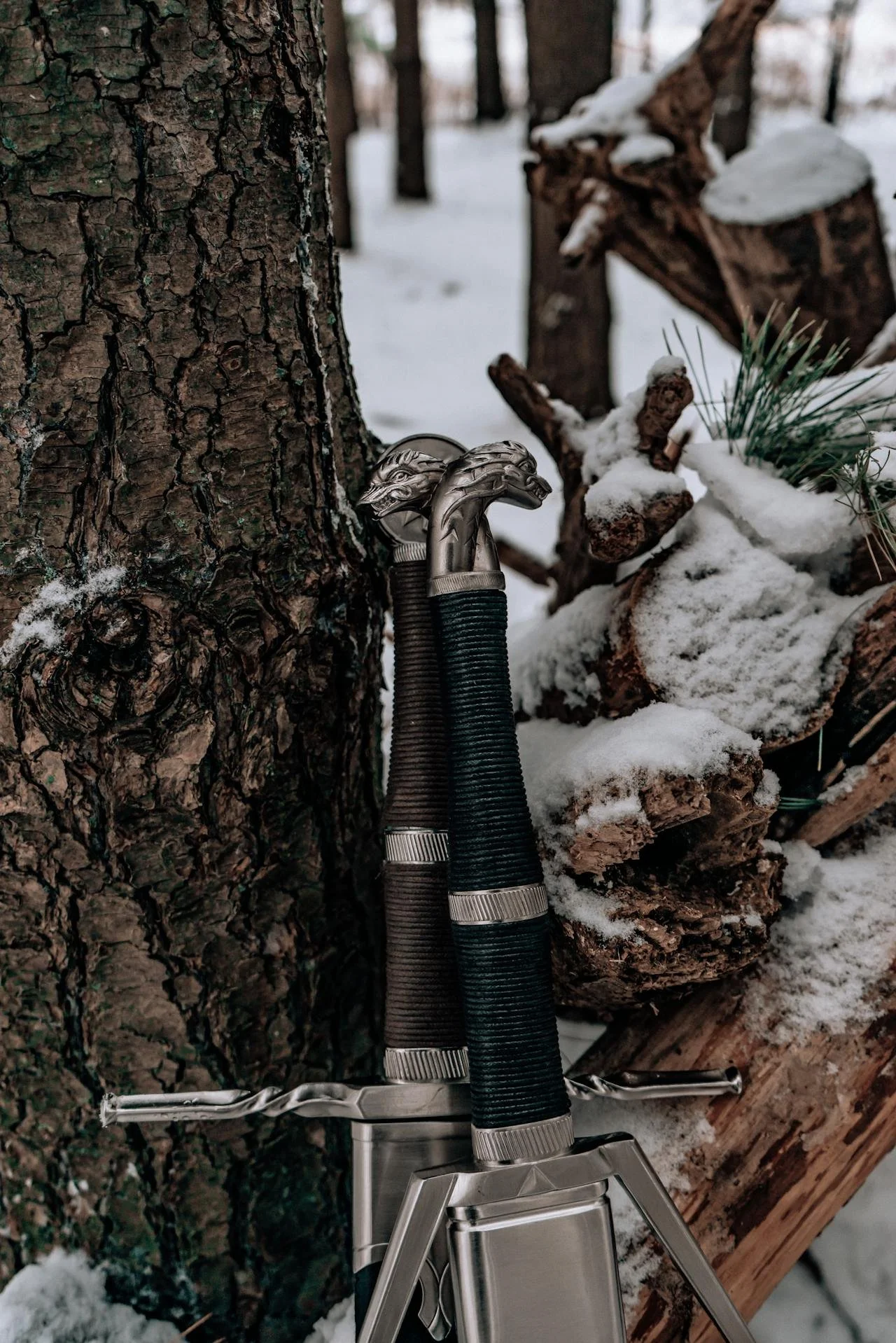
From that single story came Geralt of Rivia, a monster hunter who would eventually become one of modern fantasy’s most recognizable characters. But Sapkowski’s importance as a writer goes beyond one character or one franchise.
His work belongs to the darker, sharper side of fantasy literature. It draws from Slavic folklore, fairy tales, medieval history, political conflict, religious tension, and old monster stories, then reshapes them into something ironic, literary, and morally complicated.
Sapkowski is sometimes compared to J. R. R. Tolkien, but his fantasy has a very different flavor. Tolkien built a grand mythic world filled with ancient evil, noble quests, invented languages, and sweeping moral stakes. Sapkowski’s world is more crooked, cynical, and human. His stories often ask what happens when old legends meet ordinary greed, prejudice, fear, and survival.
In Sapkowski’s fiction, monsters are not always the real monsters. A beast with claws may be less dangerous than a king with power, a mob with certainty, or a charming villain with clean hands. That moral murkiness is one of the reasons his writing has remained so compelling to fantasy readers.
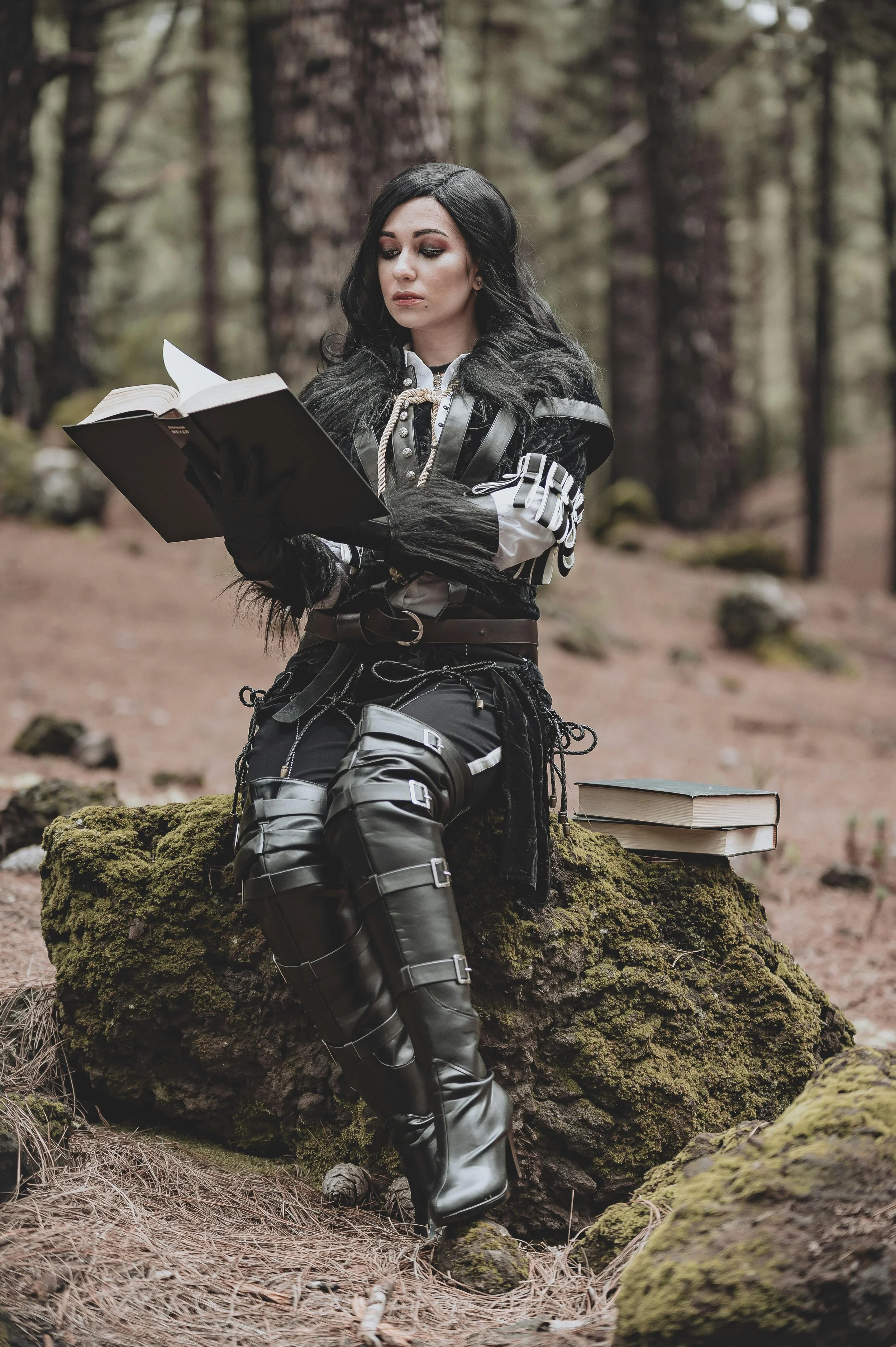
While he is best known for the world that began with Geralt, Sapkowski’s larger literary identity is rooted in folklore. His stories often feel like fairy tales that have wandered too far into the woods and come back older and stranger.
Although Sapkowski writes for older readers, and his work often includes elements that may not be appropriate for younger readers, his career is fascinating for anyone interested in how myths and fairy tales evolve across audiences.
Children’s literature often reshapes folklore into wonder, courage, curiosity, and comfort. Sapkowski uses similar raw material to explore ambiguity, danger, corruption, and survival. The bones of the old stories remain, but the storyteller decides what kind of world grows around them.
That contrast makes Sapkowski an important figure in the broader history of storytelling. A dragon can become a bedtime adventure, a medieval legend, a warning, a joke, or a grim dark fantasy. A cursed princess can become a tale of rescue, tragedy, horror, or political commentary.
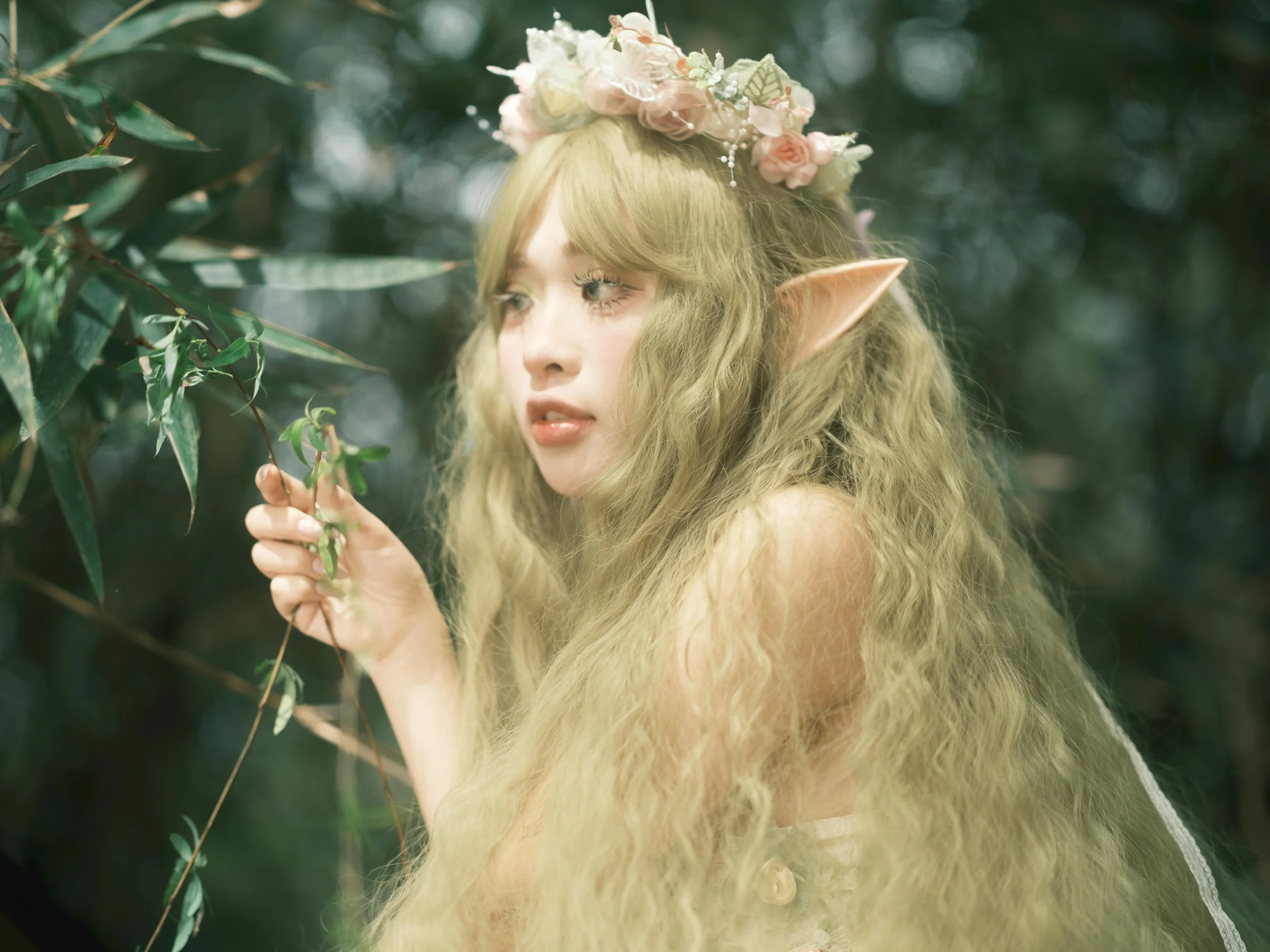
An elf could be a hero, a victim or a villain. Folklore is flexible. Sapkowski understood that flexibility better than most.
Over time, his fiction expanded into short story collections, novels, comics, video games, television, animation, and a global fanbase. Many English-speaking readers first discovered his world through CD Projekt Red’s video game adaptations, especially The Witcher 3: Wild Hunt, but the foundation began on the page.
Sapkowski himself has had a famously complicated relationship with video games. He has said in interviews that he is not a gamer and has often been skeptical of gaming as a medium. In 2018, he sought additional compensation from CD Projekt, arguing that the company’s success with his property had far exceeded the original rights agreement. The dispute was settled amicably in 2019, with the terms kept private.
The television adaptations brought his work to an even wider audience, but they also helped prove a larger point: Sapkowski’s stories had already become part of global fantasy culture.
What began as a Polish magazine contest entry had traveled across languages, formats, and generations.
Sapkowski’s literary achievements have earned major recognition. He is a five-time winner of the Janusz A. Zajdel Award, one of Poland’s most important honors for science fiction and fantasy writers. He has also received the David Gemmell Legend Award, the World Fantasy Award for Life Achievement, and the Gloria Artis Medal for Merit to Culture.
Beyond his most famous work, Sapkowski wrote the Hussite Trilogy, a historical fantasy series set during the Hussite Wars of the 15th century. The trilogy includes Narrenturm, Warriors of God, and Light Perpetual.
Sapkowski has called the Hussite Trilogy his “tour de force,” and many readers consider it some of his most ambitious writing. It shows another side of him as an author: not just a creator of monster hunters and magical worlds, but a writer deeply interested in history, belief, power, and the strange ways people justify cruelty.
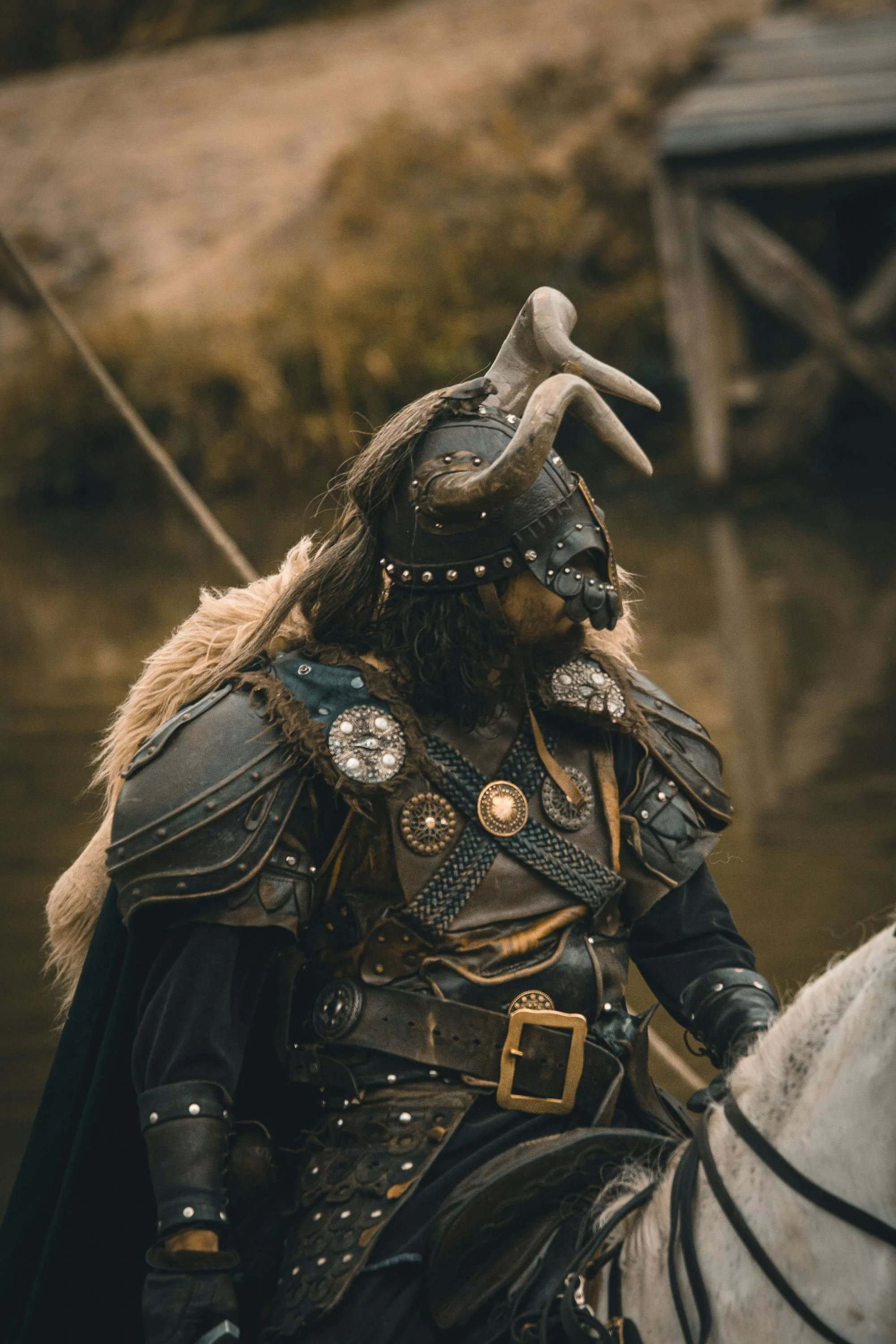
The Hussite Trilogy blends real historical conflict with magic, religious upheaval, political intrigue, dark humor, and learned references. It is denser and more historically rooted than his better-known fantasy work, but it carries many of the same Sapkowski trademarks: wit, danger, scholarship, moral ambiguity, and deep suspicion toward anyone who claims to have all the answers.
His books have now reached readers around the world. The Witcher series has been translated into many languages, and his influence can be seen in the way modern fantasy has grown more comfortable with moral gray areas, folklore-driven worldbuilding, and flawed heroes.
Andrzej Sapkowski may not write books for kids (yet!), but his career shows how old storytelling traditions can be reshaped into something entirely new.
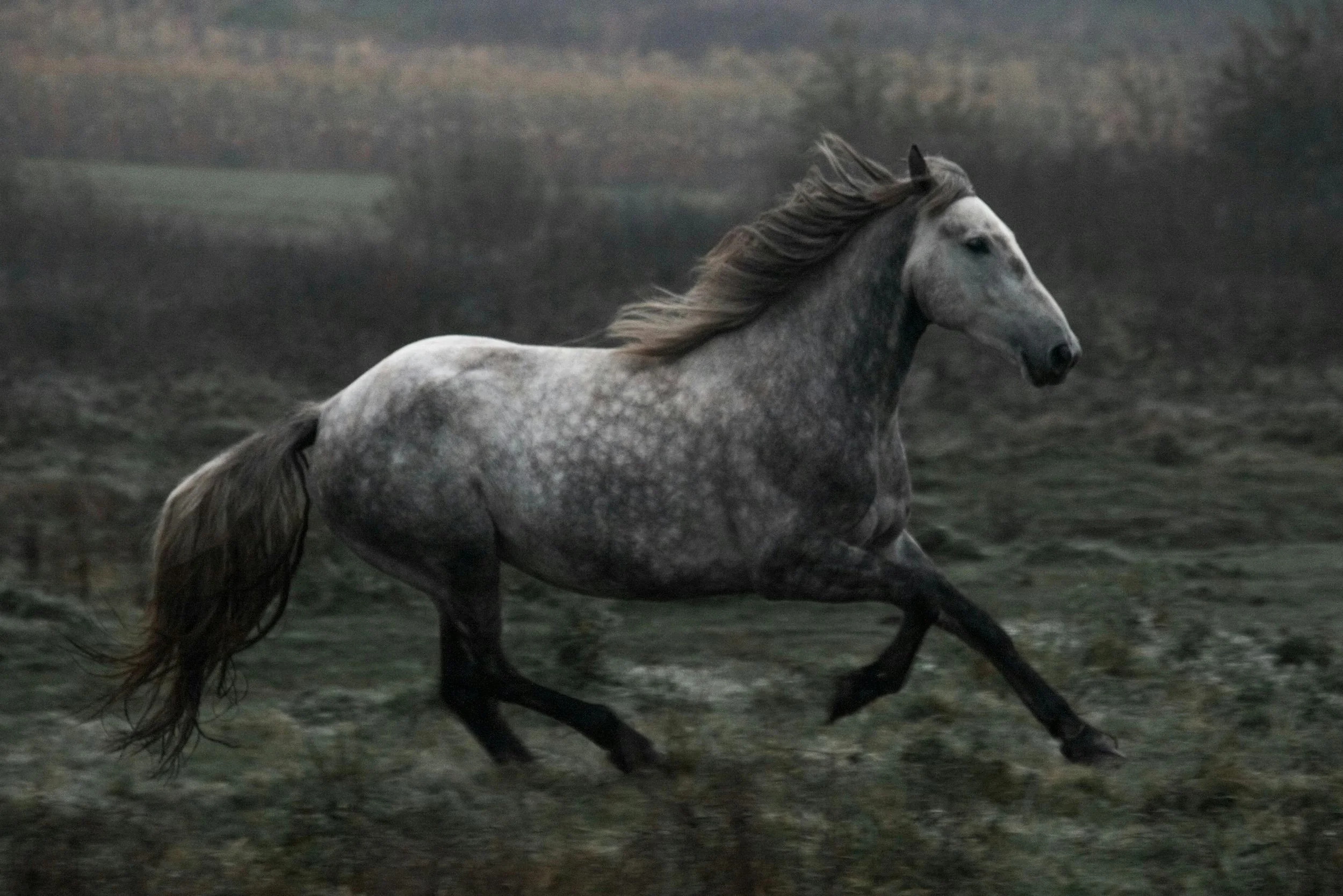
His fiction belongs to the darker side of the genre, yet it still draws from the same ancient wells that feed fairy tales, legends, and bedtime stories.
His legacy is not simply that he created a famous fantasy world. It is that he gave old folklore a modern edge. He reminded readers that myths are not always gentle, monsters are not always obvious, and stories can change shape without losing their power.
Sapkowski’s stories are not bedtime tales, but they remind us where many bedtime tales began: in forests, myths, warnings, monsters, and magic.
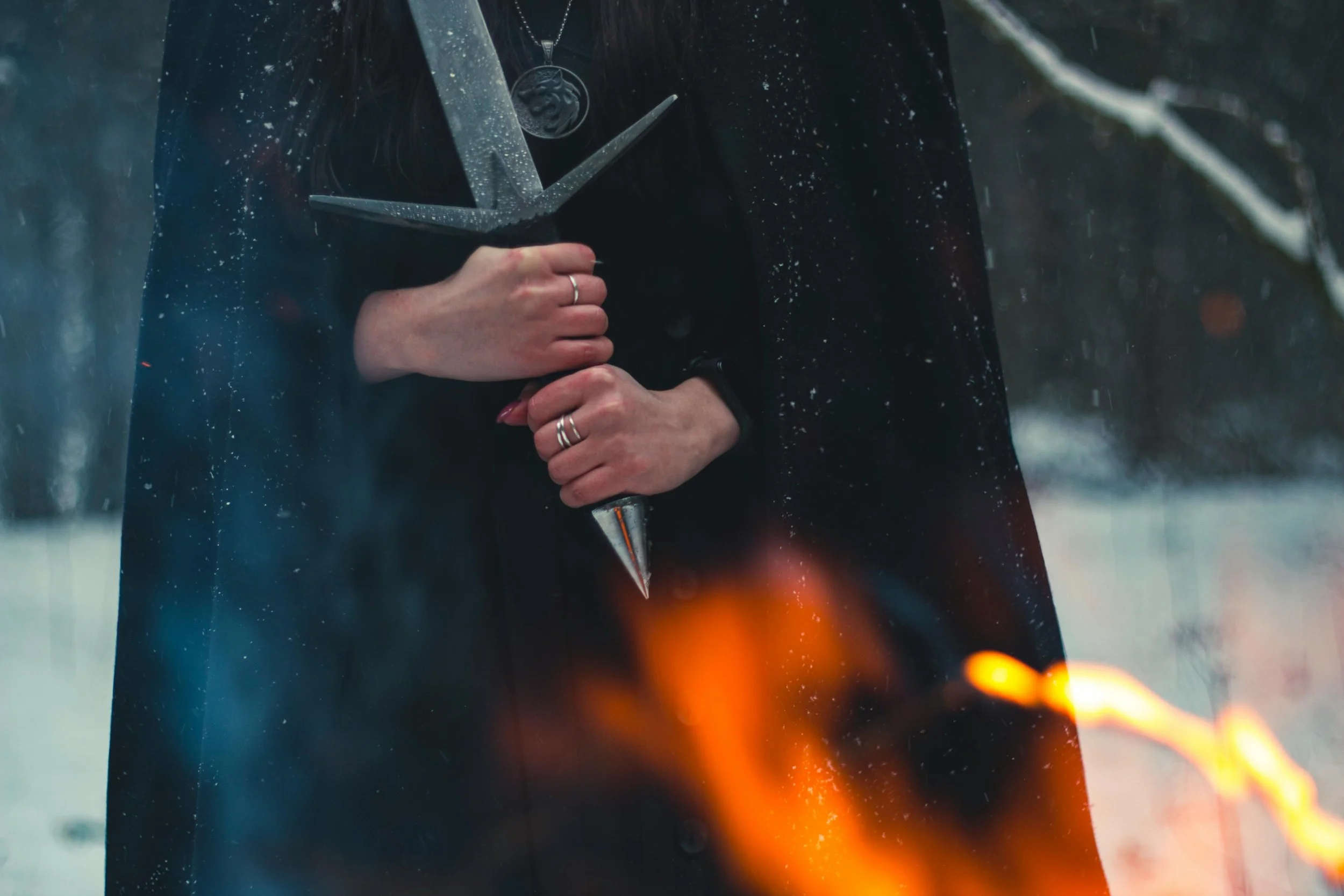
Image Credits: Blog cover image shows Polish fantasy author Andrzej Sapkowski at the London Book Fair in 2017. Photo by ActuaLitté, via Wikimedia Commons. Licensed under CC BY-SA 2.0.
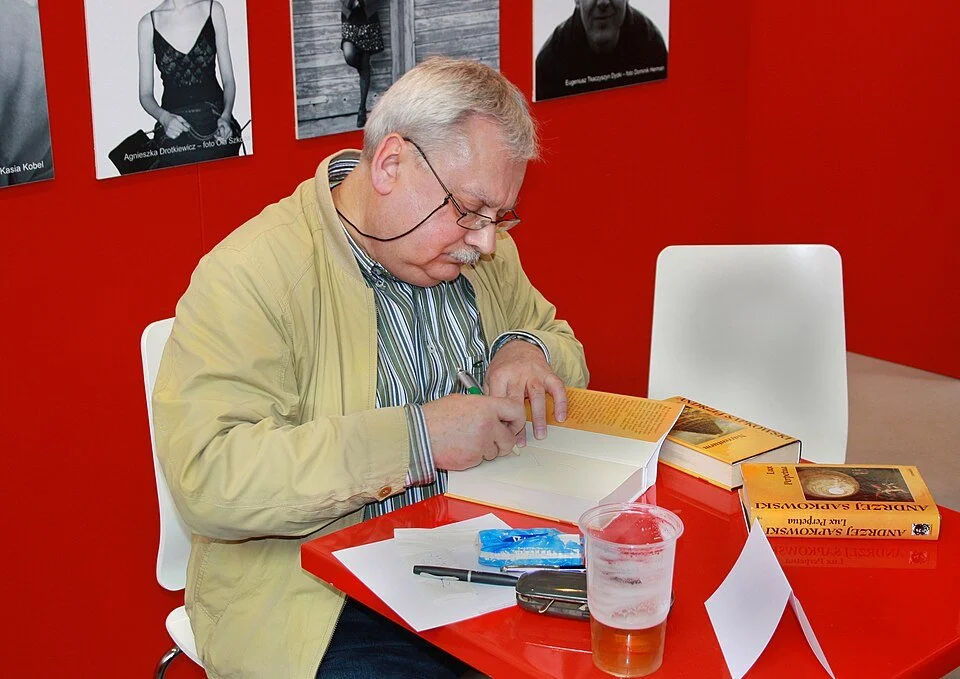
Additional author image shows Polish fantasy author Andrzej Sapkowski at the 2010 Book World Fair in Prague. Photo by Packa, via Wikimedia Commons. Licensed under CC BY-SA 3.0.
